Behind a lot of OnlyFans accounts there is not just a creator, there is an agency. In June 2026 a BBC investigation pulled back the curtain on this hidden industry, and the picture is not pretty: management firms that take most of the money, push creators toward content they did not want to make, and in some cases use threats to keep them in line. Here is what the investigation found, and why it matters whether you create or subscribe.
What the BBC investigation found
The BBC documentary, made by reporter Amber Haque, surveyed dozens of UK based creators and went undercover inside the online groups where managers trade tactics. According to the investigation, OnlyFans management agencies frequently take between 50% and 70% of what a creator earns, and a large majority of the creators surveyed said they felt pushed to make content more explicit than they were comfortable with. The reporting also described agencies using threats, password lockouts and, in some cases, intimidation to stop creators from leaving, with one online community of more than 24,000 self described managers openly discussing how to keep models compliant. These are findings as reported by the BBC, not proof against any single named person, but the pattern they describe is the story.
What is an OnlyFans agency, and what does it do?
An OnlyFans management agency, sometimes shortened to OFM, is a company that runs a creator's account in exchange for a share of the income. In practice that can mean handling the marketing, scheduling posts, editing photos and video, buying ads, and, crucially, doing the chatting in the direct messages. Plenty of these arrangements are legitimate and genuinely help creators grow. The BBC investigation focused on the other end of the market: agencies that promise fame and money, then lock creators into one sided contracts, hold their passwords, and keep the lion's share of the earnings. The difference between a partner and a trap usually comes down to two things: how much they take, and whether the creator keeps control of her own account.
The chatter problem: who are you really paying?
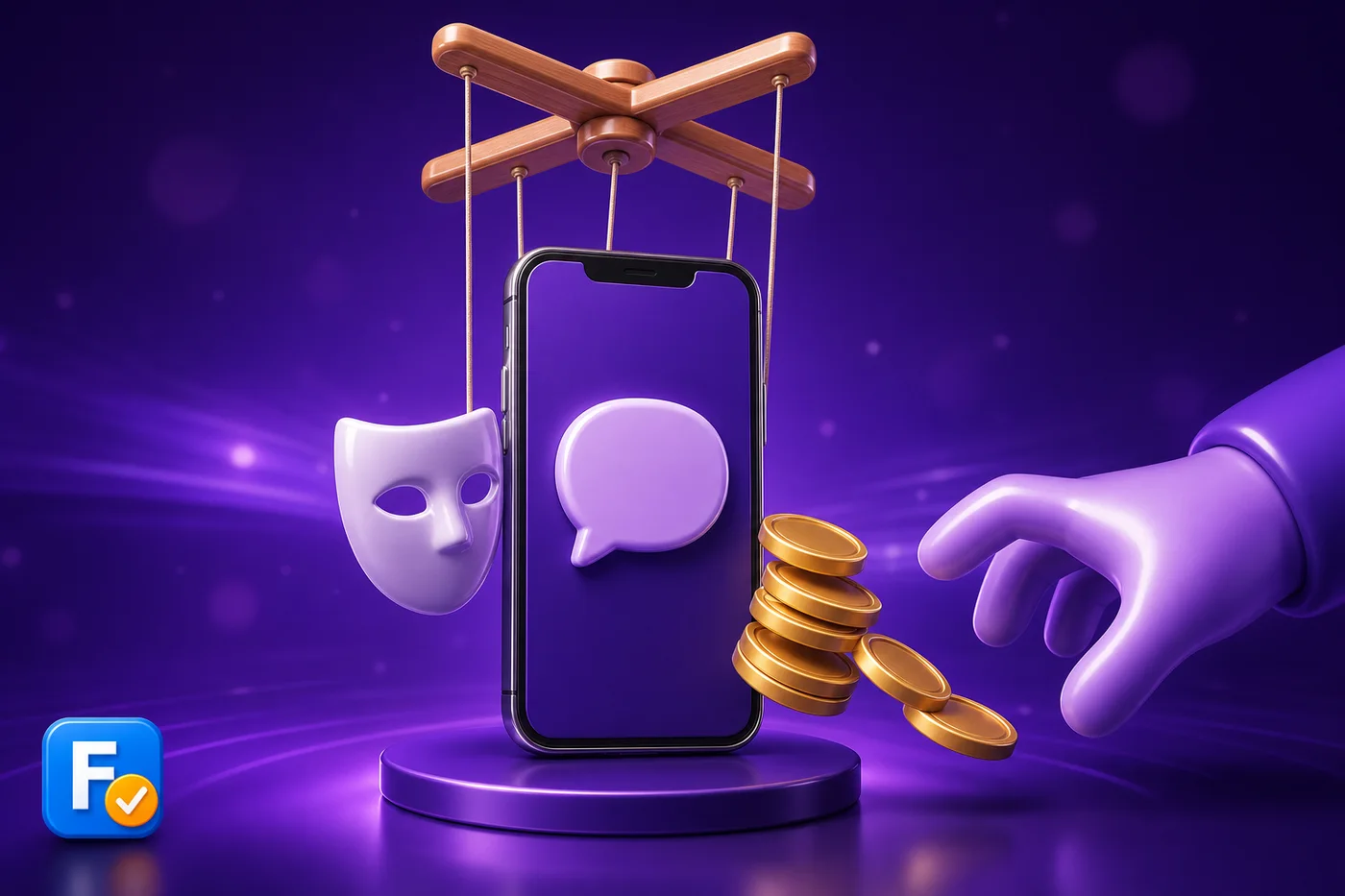
For fans, the investigation points at something many subscribers do not realize. The flirty, personal messages in your inbox are often not written by the creator at all. They are written by hired chatters, employees of the agency working in shifts to keep you spending. You may be paying for what feels like a one to one connection with a specific person, while the replies come from a stranger reading a script. This is also the heart of several lawsuits in the United States, where subscribers have argued they were misled into thinking they were talking to the creator. None of this is illegal in most places, but it is a reason to be skeptical of any promise of a "real" private relationship, and a reason that honest reviews from other subscribers are worth more than the marketing.
How creators and fans can protect themselves
The takeaways are different for each side, but both come down to checking first.
If you are a creator:
💡 Not sure a creator is worth it? Read real reviews before you subscribe.
Browse reviews- Read the contract. Watch for long exclusivity periods, huge revenue shares and penalties for leaving.
- Never hand over full control. Keep your own password and two factor login, even if an agency manages day to day.
- Walk away from coercion. Pressure to make content you do not want is a red flag, not a normal part of the job.
- Get advice before signing. A short call with a lawyer is cheaper than a bad contract.
If you are a fan:
- Assume the DMs may be staffed. Treat "personal" chat as marketing, not a private relationship.
- Check before you pay. Reviews from real subscribers tell you far more than a polished profile.
For more context, see our guides on whether OnlyFans is legal, how to become an OnlyFans creator, and our OnlyFans statistics for 2026. Whoever you deal with, the same habit protects you: check first.
An agency should work for the creator, not own her. When a manager holds the password and keeps 70 percent, the creator has become the product, not the partner.
Whether you create on OnlyFans or subscribe to someone, the smart habit is the same: check before you trust. Search any creator on FanChecked, read reviews from real subscribers, and follow the official link from the profile. Free, no login required.
Frequently asked questions
What did the BBC OnlyFans documentary reveal?
The June 2026 BBC Three documentary "OnlyFans: Inside the Machine" reported that management agencies often take 50% to 70% of a creator's earnings, that many creators felt pressured to make more explicit content, and that some agencies used threats and password lockouts to keep control. The findings are as reported by the BBC.
How much do OnlyFans agencies take?
According to the BBC investigation, OnlyFans management agencies frequently take between 50% and 70% of a creator's earnings, on top of the platform's own 20% cut. Terms vary widely, and the most one sided contracts leave the creator with the smallest share.
Are you really chatting with the OnlyFans creator?
Often not. Many agencies hire chatters to write the direct messages, so the flirty, personal replies can come from an employee working a shift rather than the creator herself. Several US lawsuits accuse platforms and agencies of misleading subscribers on this point.
How can OnlyFans creators avoid bad agencies?
Read the contract carefully, avoid long exclusivity and huge revenue shares, never give up your own password and two factor login, refuse pressure to make content you are not comfortable with, and get legal advice before signing.
Note. This article summarizes reporting available as of June 2026, including a BBC investigation, and describes general patterns rather than making accusations against specific individuals. It is general information, not legal advice. FanChecked is an independent review platform and is not affiliated with, endorsed by, or sponsored by OnlyFans, Fansly or Fanvue.